
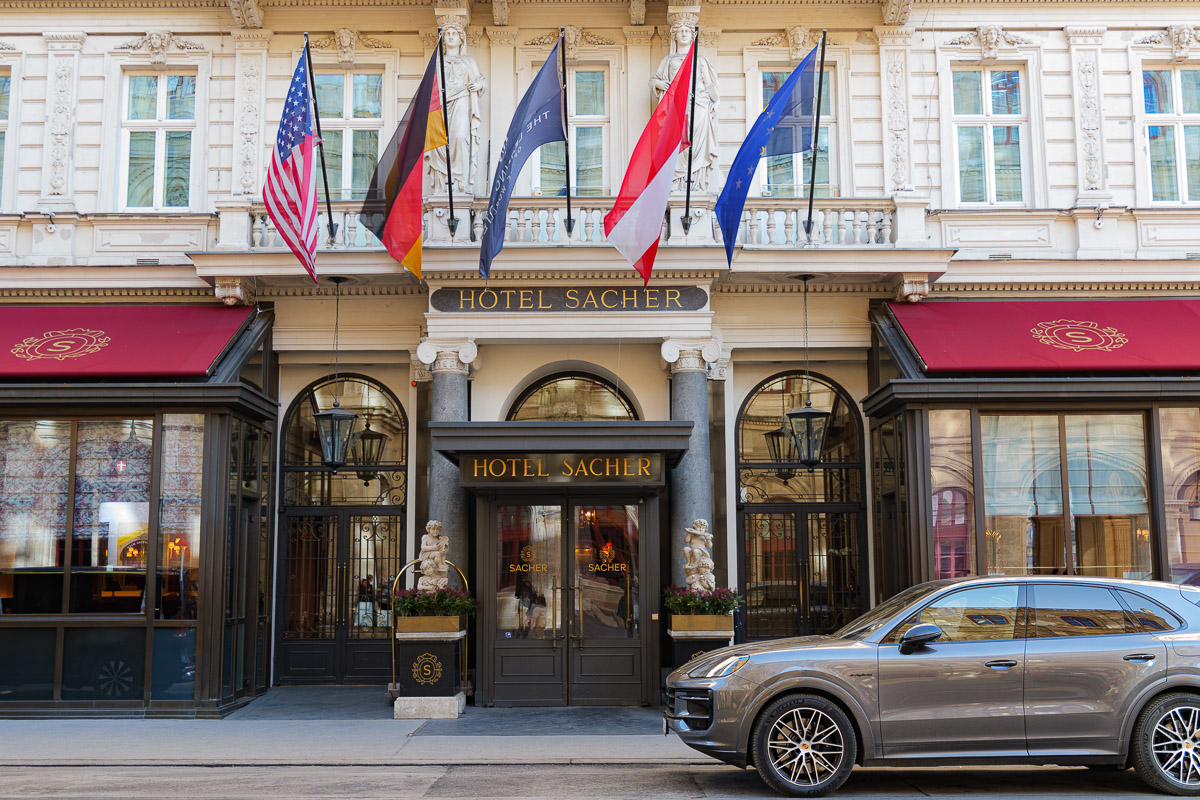
Arriving in Vienna
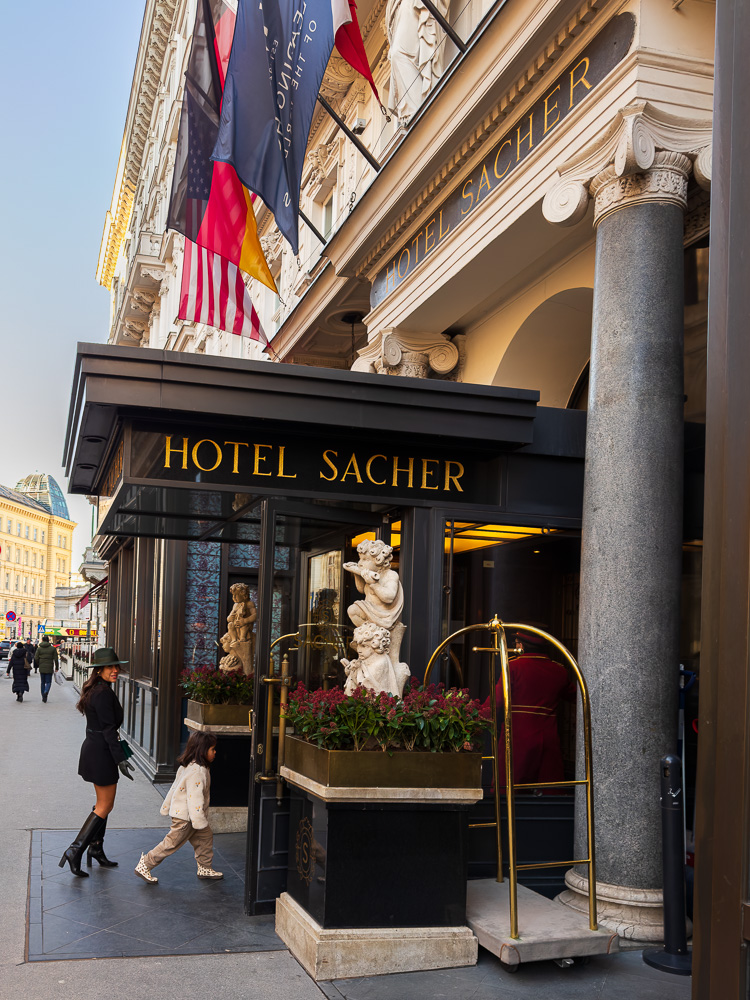
After a warm welcome at Vienna Airport, I arrived at the Sacher on a January morning, ready to celebrate another birthday beside the two people who make any place special: João and Francisca. Outside, Vienna had dressed itself in winter: few voices, muffled footsteps, snow gathered along the pavements, and a low sun dissolving between the imperial façades. Across from the hotel, the Opera rose imposing, and that presence alone was enough to remind us that in Vienna culture is a way of life, not merely part of the heritage.
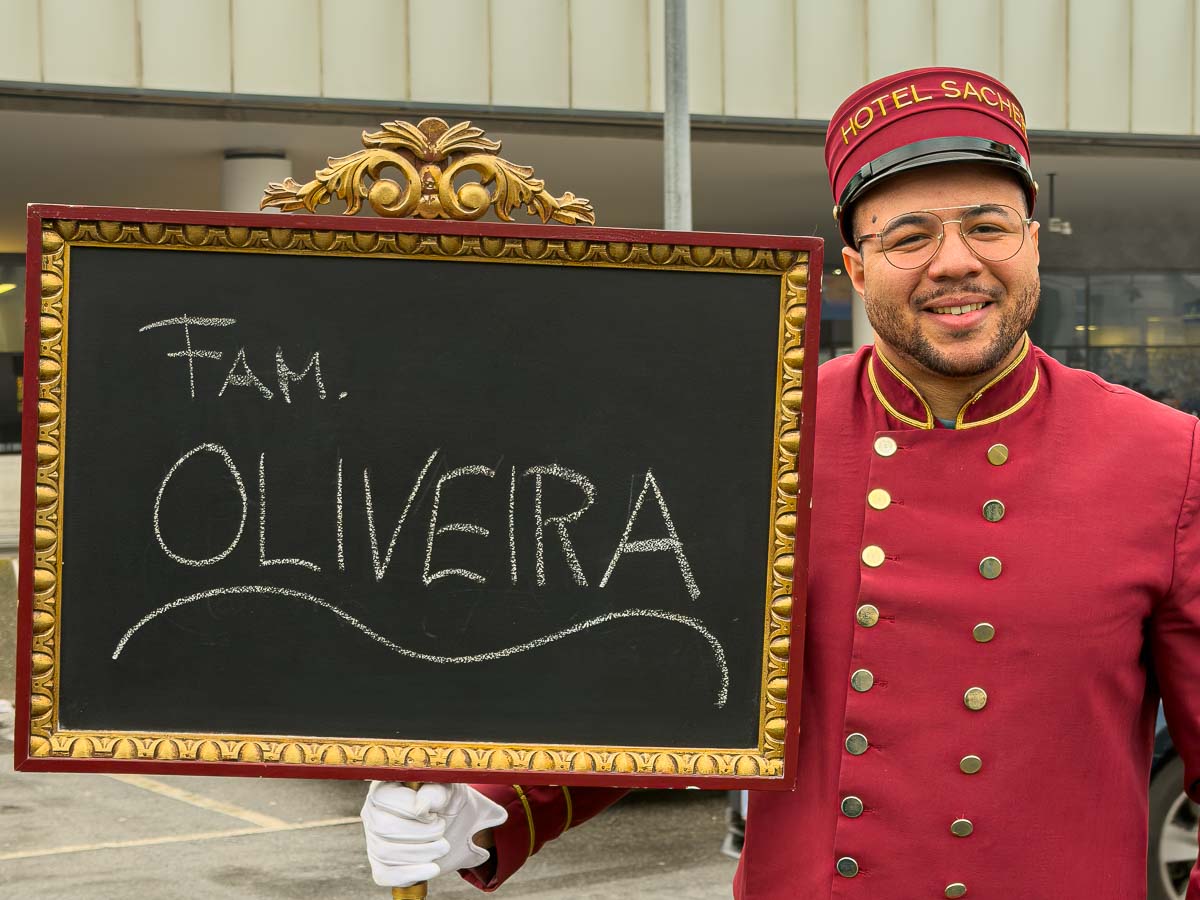
But it was on stepping into the Sacher that I felt I had crossed an invisible border.
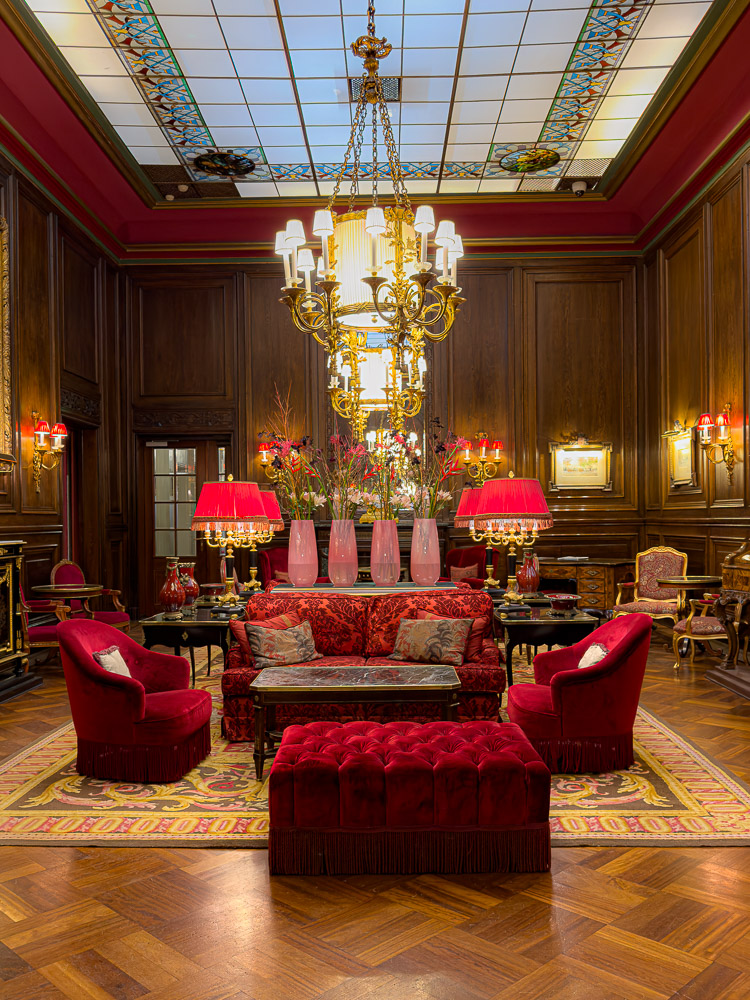
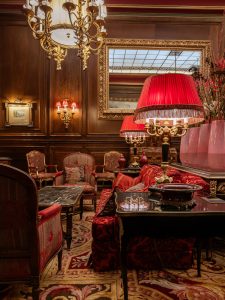
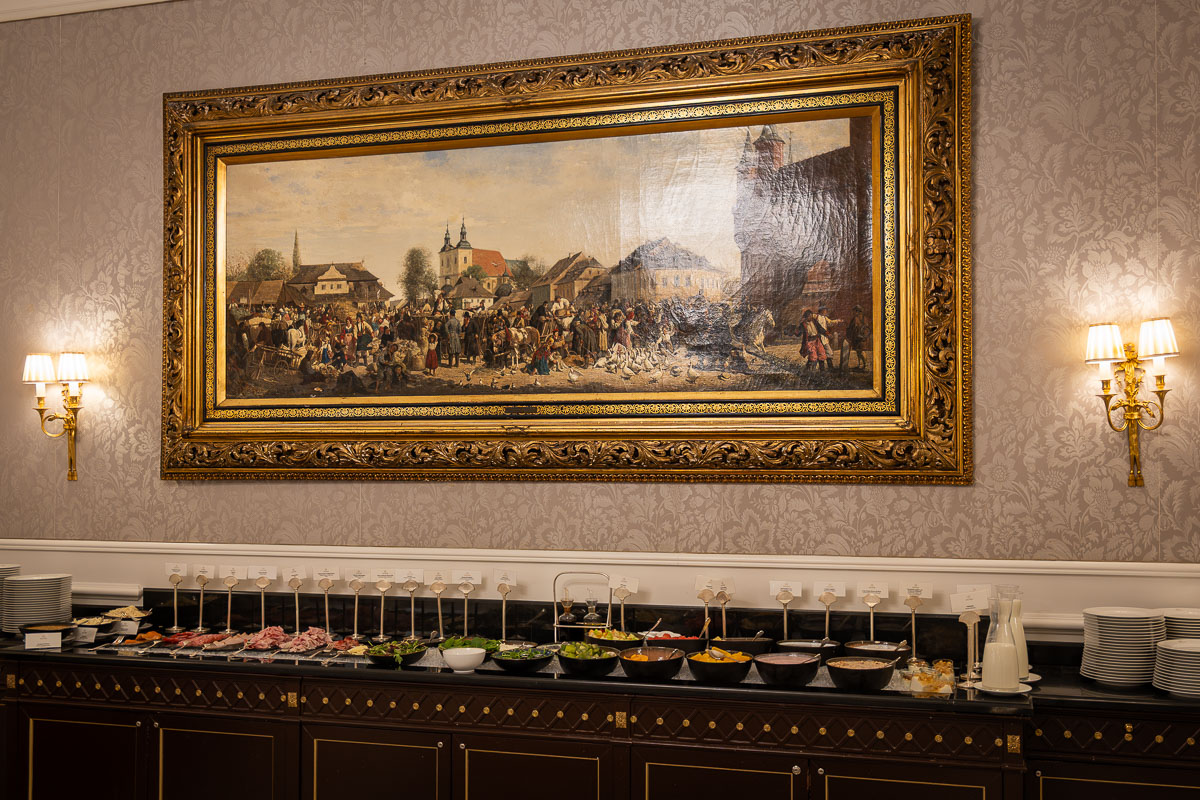
There is much talk these days of historic hotels. Many preserve antique pieces, period photographs, restored furniture. The Sacher is different. It doesn’t feel like a hotel that preserves the past. It feels like a hotel where the past is also present: red velvet, polished marble, chandeliers, the portraits that have accompanied the house’s life, the corridors abuzz during the ball season.
There is theatricality in all of it, openly so, yet nothing reads as a set: things are not arranged to be looked at; they are where they have always been, in their place and with their purpose.
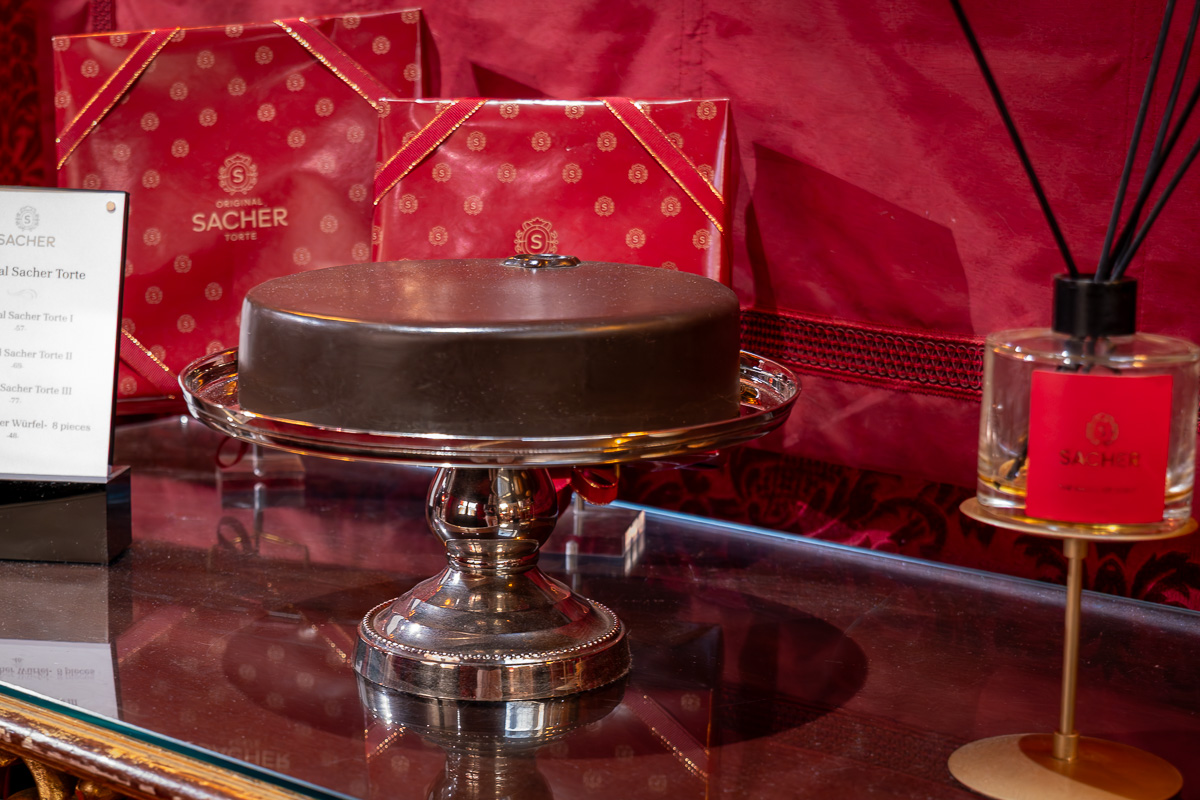
Before the hotel, a chocolate legend was born
The story of the Sacher begins before the hotel itself. Long before the rooms, the salons and the illustrious guests, there was a cake.
In 1832, the powerful Austrian chancellor Klemens von Metternich asked for a special dessert to impress his guests. The head chef fell ill unexpectedly, and the responsibility landed on the shoulders of a young apprentice of just sixteen, named Franz Sacher.
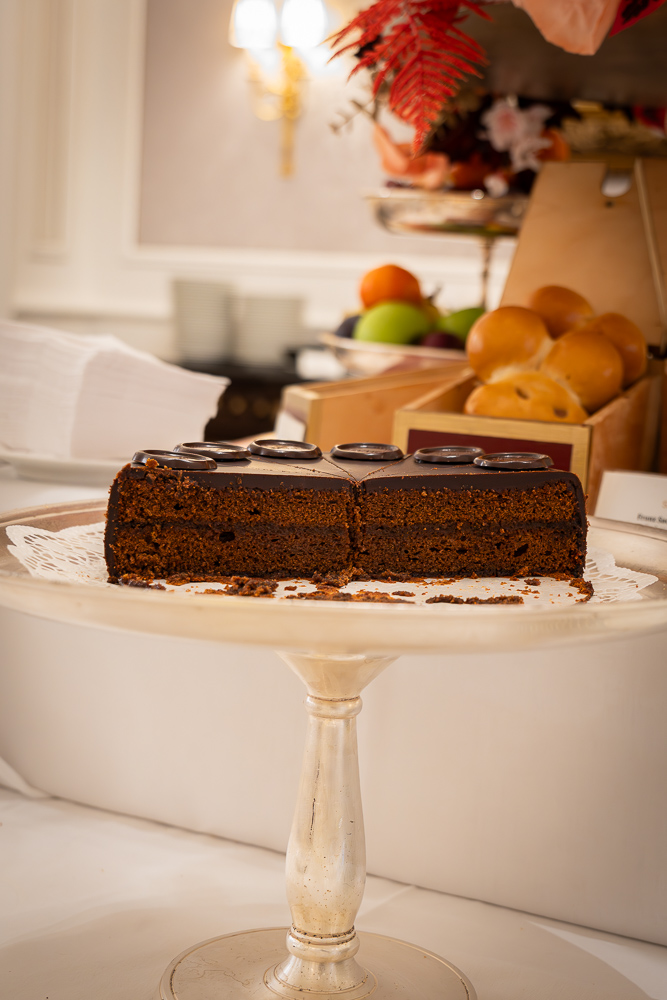
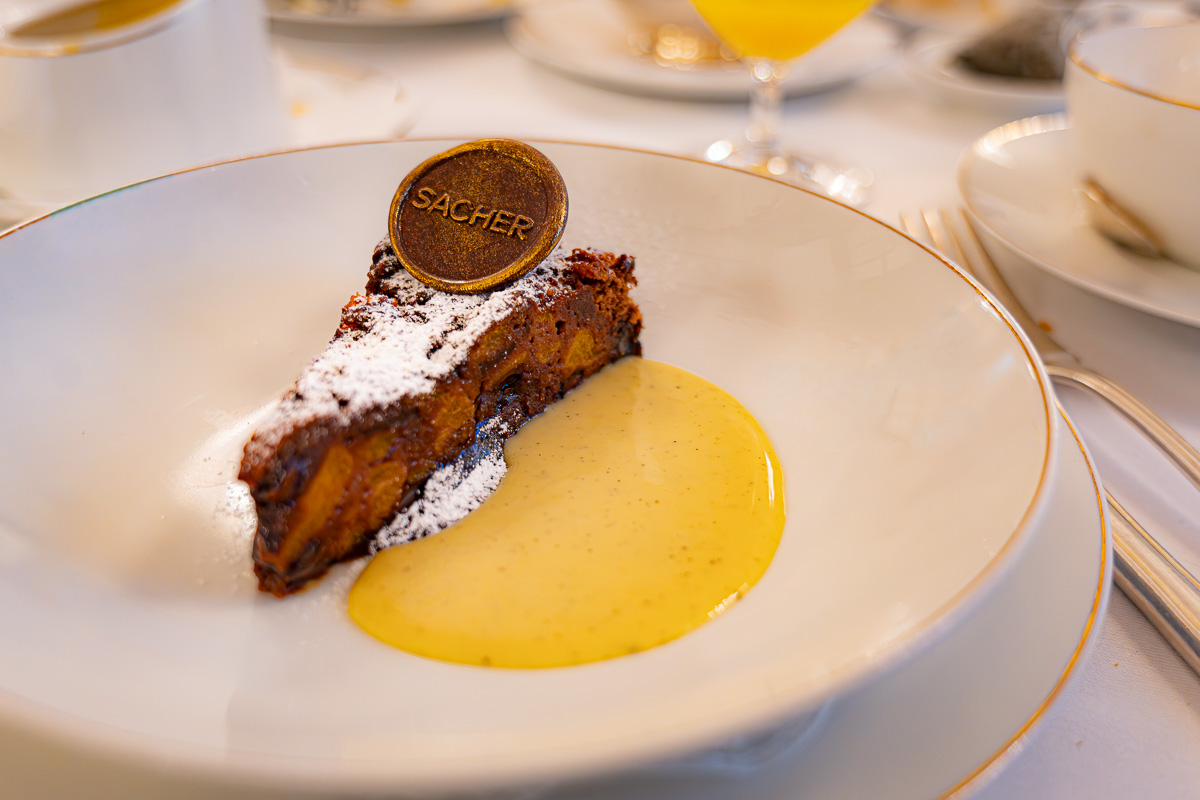
The result was a seemingly simple combination of chocolate, apricot jam, and chocolate glaze that would go on to become one of the most famous desserts in the world.
It is one of the most fascinating details in the hotel’s history: the Sacher-Torte was born forty-four years before the Hotel Sacher. It was not a hotel that created an iconic cake. It was the growing fame of the Sacher-Torte that helped pave the way for the creation of a hotel that would become a Viennese institution.
In 1876, Eduard Sacher, Franz’s son, opened the hotel that still bears the family name, choosing a privileged location directly opposite the Vienna Opera. From the very first day, the Sacher was tied to music, to theatre, to the aristocracy and to the social life of the Austrian capital.
Anna Sacher: the woman who turned a hotel into an institution
But if Eduard founded the hotel, it was Anna Sacher who turned it into a legend.
The daughter of a butcher, a woman of utterly uncommon character for her time and one of the great female figures of European hospitality, Anna took over the running of the hotel after her husband’s death and transformed it into one of the most influential social centers on the continent.
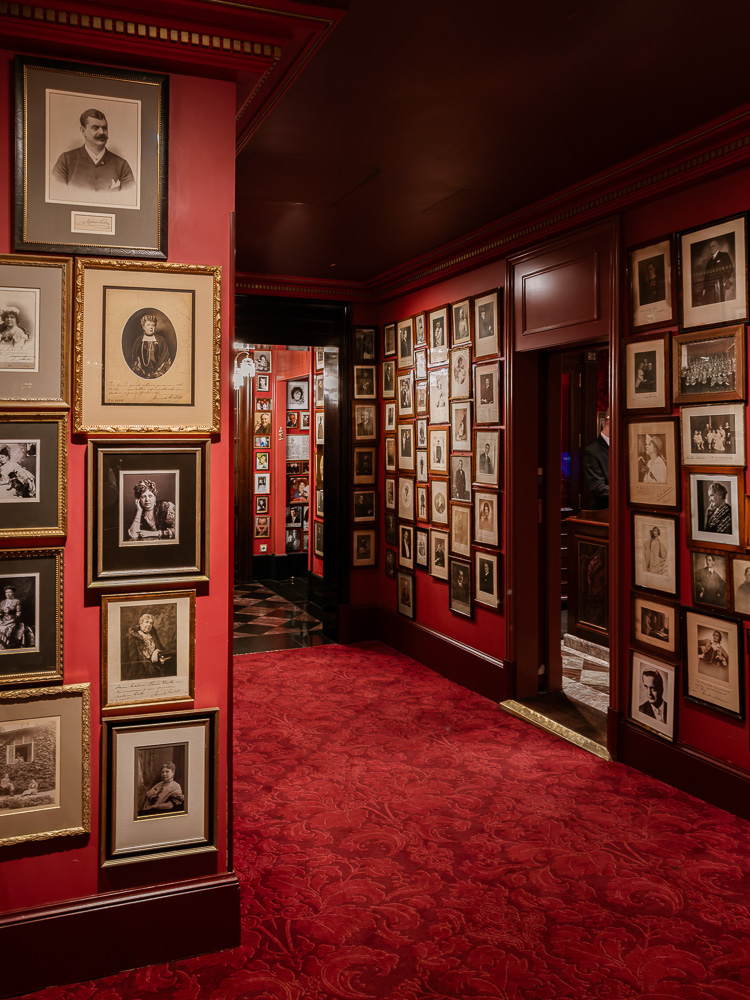
She smoked cigars, bred French bulldogs, received politicians, artists and members of the aristocracy in the hotel’s salons, and ruled the Sacher with a rare combination of elegance and authority. Many historians describe her as an informal empress of Belle Époque Vienna. It is impossible to understand the hotel without understanding Anna.
For decades, the Sacher was far more than a place to sleep. It was an extension of the imperial court itself. Diplomats met in its salons, agreements were discussed in its restaurants, and members of the aristocracy made it their second home.
 When the Austro-Hungarian Empire fell in 1918, the hotel lost more than guests. It lost the world it had been created for.
Yet it survived, and perhaps that is the most extraordinary thing of all. While many historic hotels ended up turned into museums of themselves, the Sacher managed to reinvent itself without surrendering its identity.
Since 1934, the hotel has belonged to the Gürtler/Winkler families, making the Sacher one of the rare European luxury hotels still independent and family-run, and one of the few where history never feels staged.
Rooms and suites where luxury remains classic
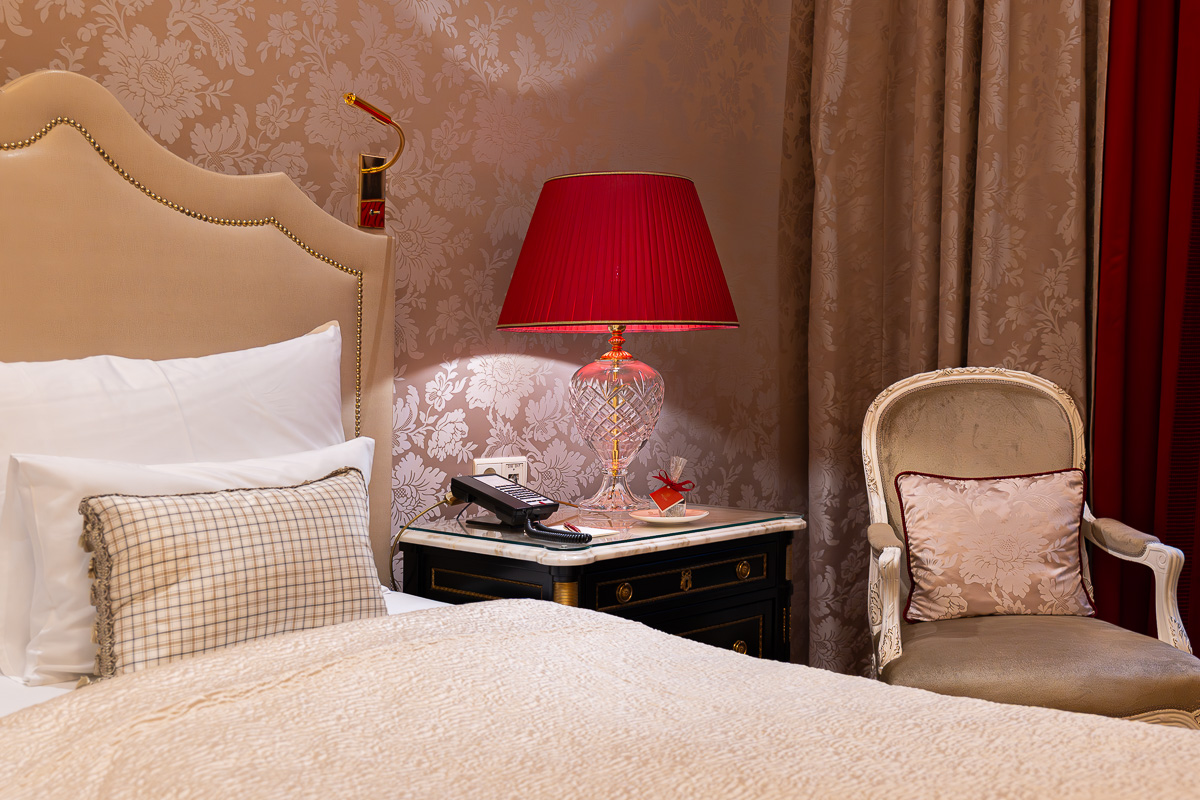
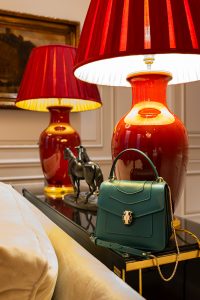
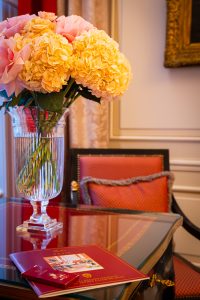
With around 150 rooms and suites spread across several interconnected buildings, the hotel blends classic Viennese luxury with contemporary comfort. The interiors mix Biedermeier-inspired furniture, rich fabrics, chandeliers, marble, and carefully selected works of art.
The result is a luxury that could only be Viennese, with no minimalism and no modern reinterpretations of the past.
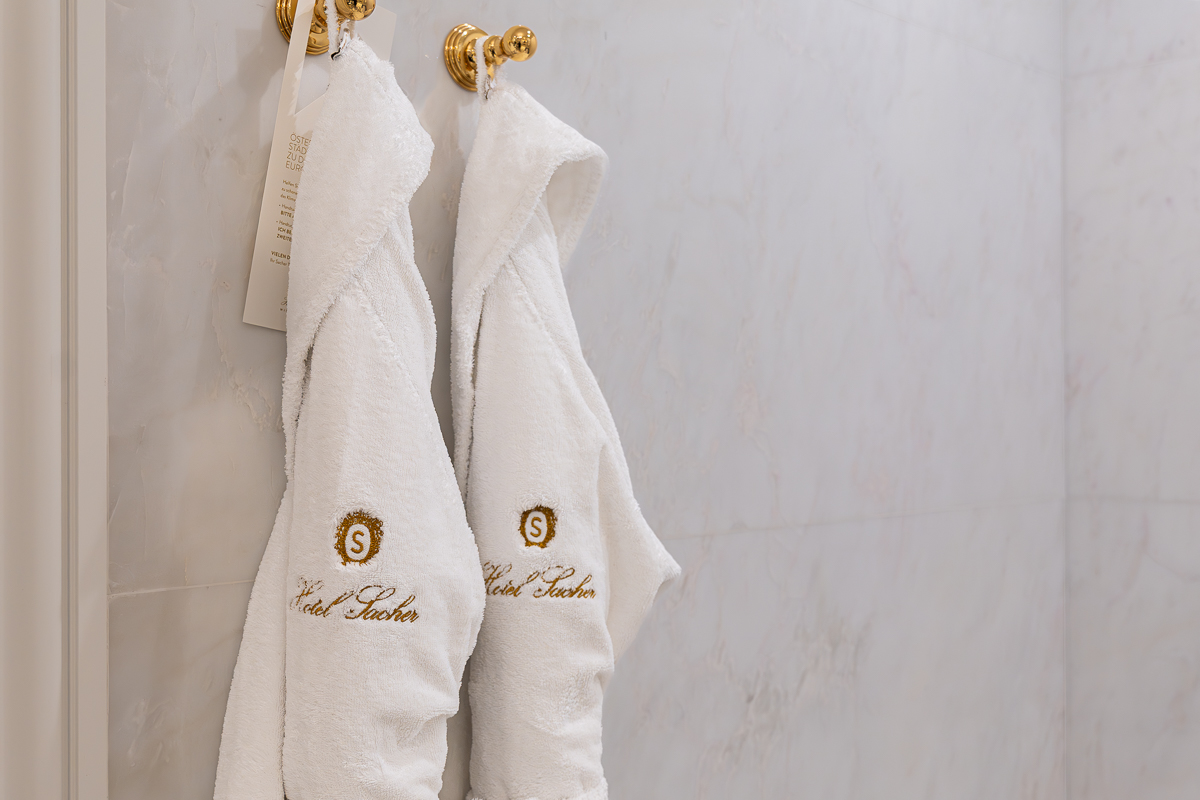
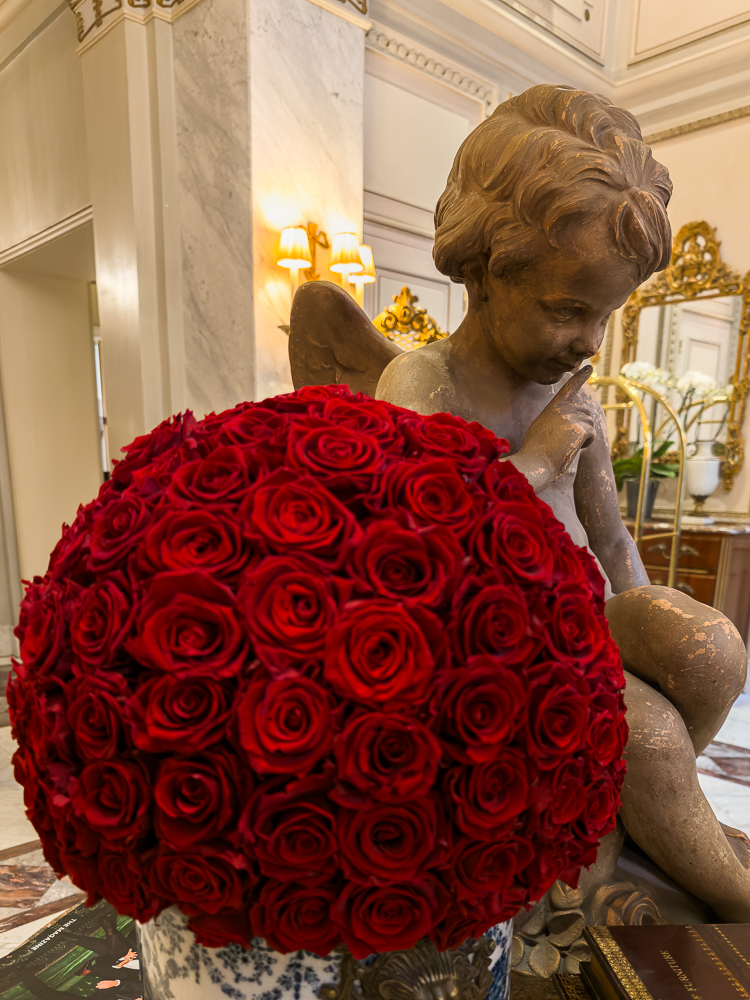
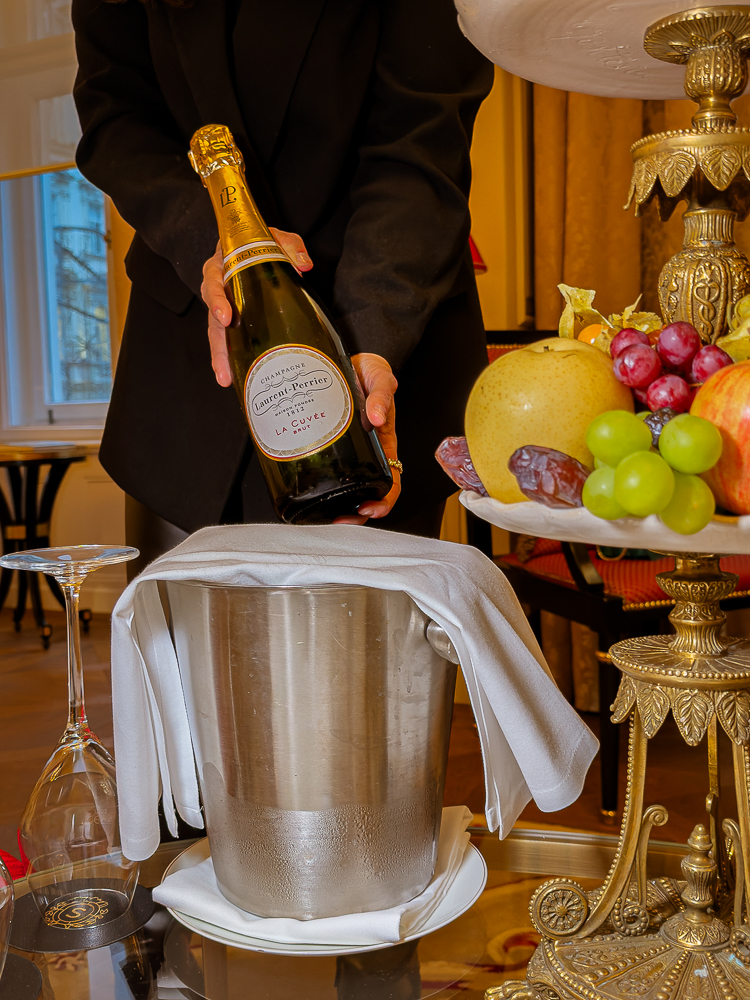
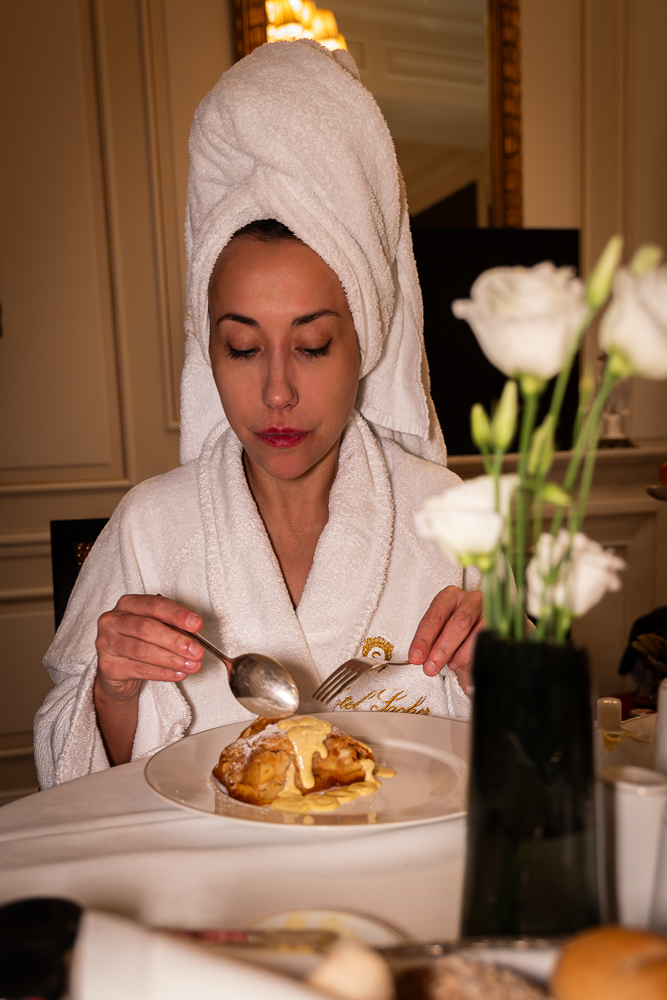
Throughout our stay, I lost count of the times I saw Francisca look around her with that wonder reserved for children when they step into a place that seems straight out of a fairy tale. Perhaps it was the salons. Perhaps the statues or the chandeliers. Perhaps the idea of sleeping in a hotel that looks more like a palace. But her fascination stayed with her throughout. From the welcome — a room filled with sweets — to the detail of her name embroidered on the pillowcase, the bath toy and the teddy bear dressed for the occasion… everything to make her feel like a true princess.
A base from which to live the city
The Sacher offers magic, wrapping us in a genuine fairy tale while we enjoy a calm refuge in an ever more frenetic world.
But it also offers a very complete experience for anyone wishing to discover Vienna through its history and culture. The concierge service arranges private experiences, exclusive visits to museums and the Opera, bookings for concerts and restaurants, historical walks and tailor-made itineraries around the city. There is also an elegant wellness and spa area with treatments inspired by the house’s traditions, as well as a fitness center for guests.
At the Sacher’s table: far more than the famous cake
The Sacher is also known for its cuisine. Because to speak of the Sacher without speaking of food would be like speaking of Vienna without speaking of music.
Café Sacher remains one of the most famous cafés in Europe and an essential ritual for anyone visiting the city. I can tell you that from the moment we arrived until the day we left, the queue was always well attended.
To sit by a window, watch the movement of the street and taste a slice of the Original Sacher-Torte is almost a cultural obligation, one created long before the rituals of Instagram and TikTok.
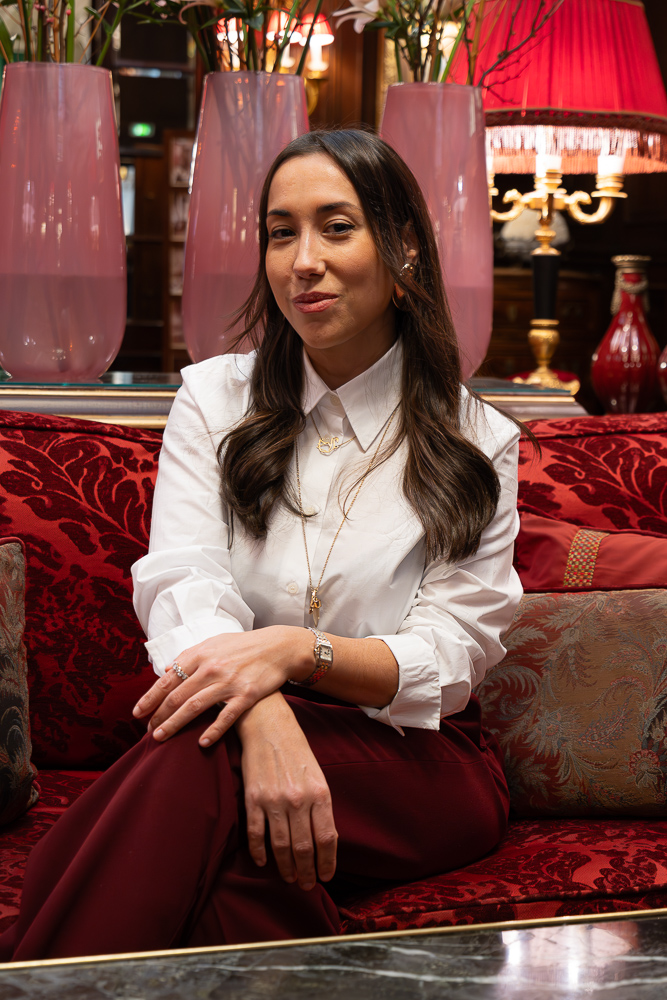
And here I have to admit that I am not a great fan of the Torte. I think it’s the drier texture and the apricot jam filling. But there is something moving about tasting a cake that has existed there for almost two centuries.
The Sacher-Torte war: a very Austrian curiosity
As a curiosity, few visitors know that the famous cake was at the center of one of the longest gastronomic disputes in Europe.
For decades, the Hotel Sacher and the historic Demel pâtisserie waged a genuine legal battle over who had the right to use the name “Original Sacher-Torte”. The dispute dragged on for years and became a national talking point in Austria, showing just how far a simple cake can go in raising questions of cultural identity.
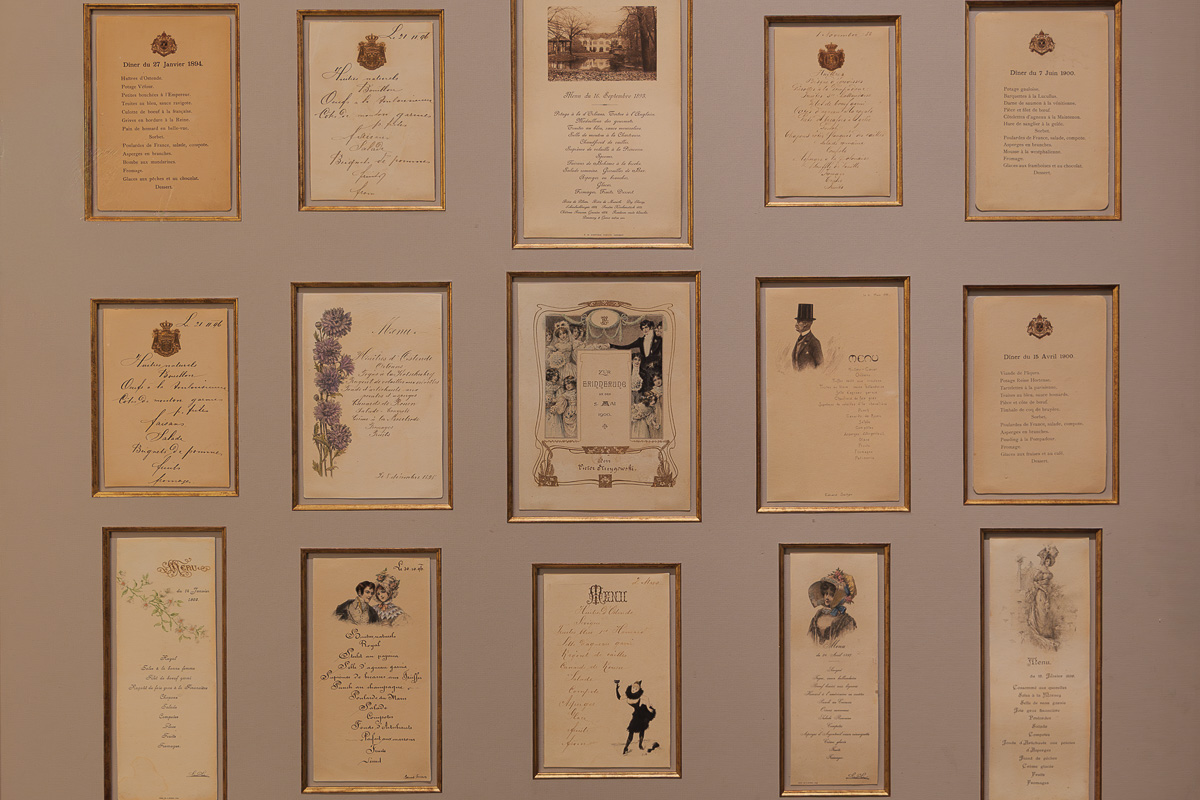
Today, the Original Sacher-Torte is still made by hand and shipped all over the world, with hundreds of thousands of them leaving the group’s kitchens each year.
The restaurants and bars that prolong the Viennese spell
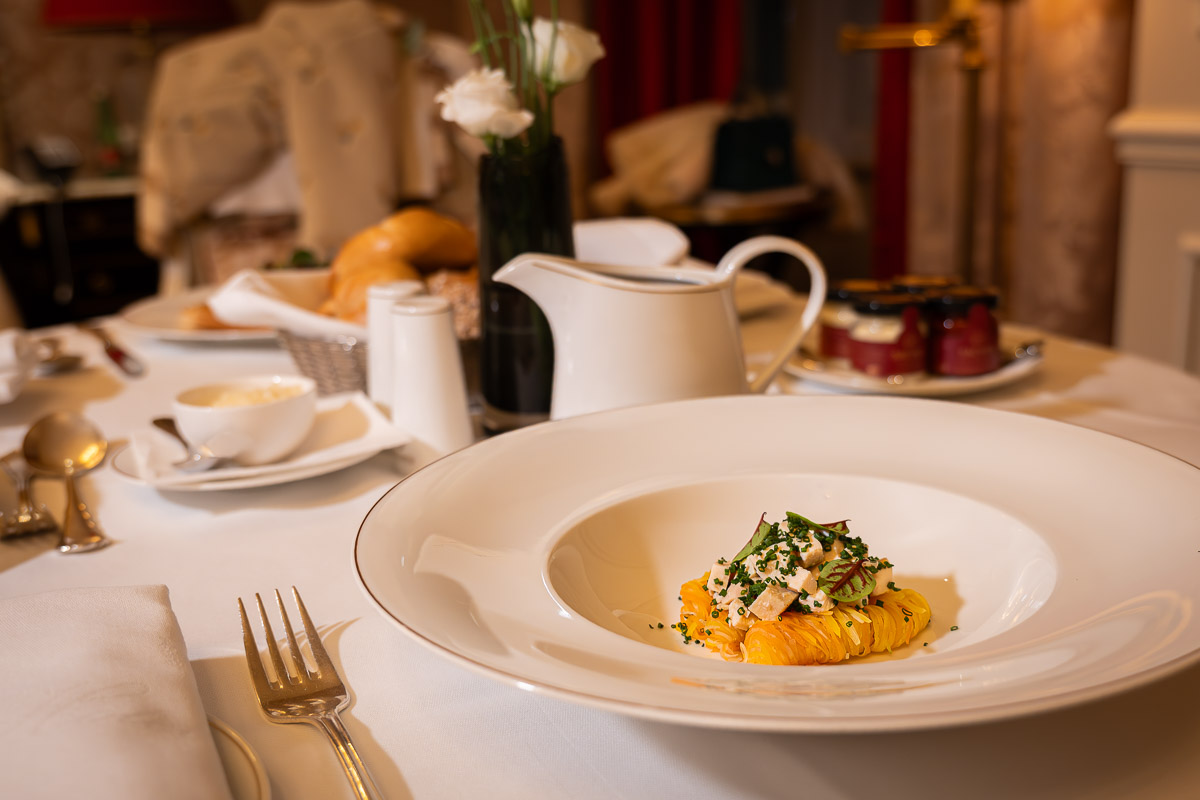
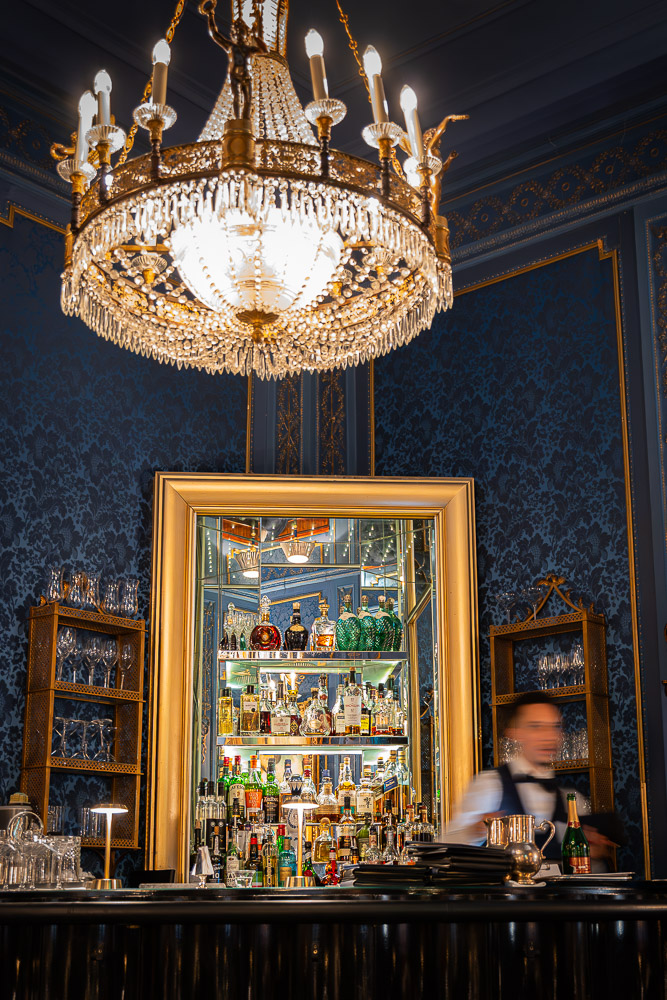
Beyond Café Sacher, the hotel is home to several spaces under the direction of chef Anton Pozeg, whom we knew from other experiences. The Rote Bar, where we had lunch, with its Austrian dishes and the atmosphere you would expect of a Viennese room. The Grüne Bar, where the cooking rises in tone without ever leaving its imperial register. And the Blaue Bar — perhaps the most beautiful space in the hotel to end the day with a cocktail, while the city slows down outside.
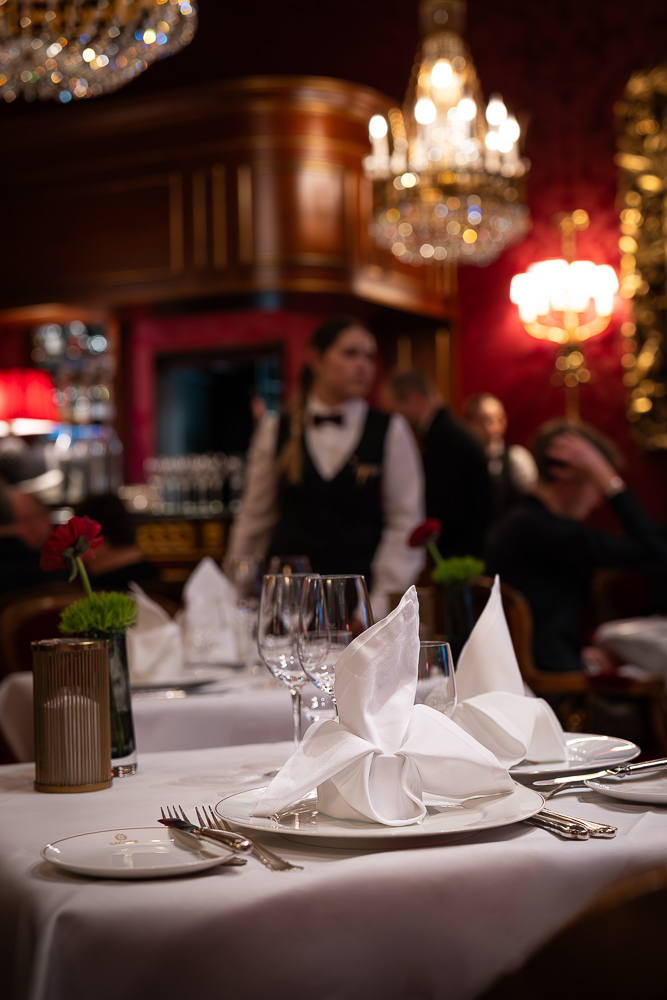
There is also the Salon Sacher and the Café Bel Étage, to round off the day after a walk through the city, with a negroni or a coffee accompanied by a Sacher-Torte.
When Vienna dances: the night the Sacher becomes the center of the world
But there is one time of year when the Sacher stops being merely an extraordinary hotel and becomes the true center of Viennese social life. The Vienna Opera Ball.
If you have never experienced it, it is hard to imagine the scale of the event. For a single night, the Vienna Opera transforms into a vast ballroom, welcoming thousands of guests from around the world. Heads of state, business leaders, artists, members of the European aristocracy, celebrities and devotees of tradition gather at what remains one of the most prestigious balls on the planet. And the Sacher, standing literally opposite the Opera, becomes the epicenter of all this charismatic frenzy.
The corridors fill with haute couture gowns, historic jewels, tuxedos, photographers and protocol teams. The restaurants buzz with reunions and celebrations. The suites become improvised dressing rooms. The whole city seems to converge on that single block.
For a few hours, it is as if imperial Vienna had returned.
Why the Sacher remains one of a kind
And perhaps that is precisely what makes the Sacher so special. Over the years it has welcomed emperors, kings, queens, presidents, artists and some of the most influential figures in the world. But it has never lived on its guest list alone.
It lives on the rare ability to make every visitor feel part of the story.
As I walked through the hotel’s corridors, I often found myself turning over a curious idea: when the monarchy disappeared, the Sacher lost the grammar of its world. It lost the court rituals, the noble titles, and the social structure that had given rise to it.
But it found a way to preserve that language. It turned it into hospitality. Today no carriages arrive, no archdukes; instead come families and travelers, people in love with cities and with stories, who booked months in advance.
People in search of authentic experiences at a time when almost everything feels replicable. And that is exactly where the charm of the Sacher lies… In a world of increasingly similar hotels, the Sacher remains unmistakably Viennese.
Perhaps that is why the farewell costs a little more: on the way out, Francisca wanted to linger a while longer in the lobby, looking at everything, as an excuse not to leave. It was hard for me too, because Vienna was still right there at the door, but what was hardest to leave was that version of her that only seems to exist among the velvet, the artworks and the scent of chocolate that lingers in the air.
A Vienna that, for a few days, was also ours.
Address: Philharmoniker Straße 4, 1010 Vienna, Austria
Reservations: +43 1 514 560 · wien@sacher.com
Rates: From around €650
History: Hotel founded in 1876 by Eduard Sacher, son of Franz Sacher — the apprentice who, in 1832, at just 16 years old, created the famous Sacher-Torte. Standing opposite the Vienna Opera, it became an institution of the Austrian capital under the legendary management of Anna Sacher during the Belle Époque.
Facilities: Around 150 rooms and suites of classic Viennese luxury (Biedermeier furniture, marble, chandeliers and works of art), a wellness and spa area with treatments inspired by the house’s traditions, a fitness centre, the historic Café Sacher, Rote Bar (Austrian cuisine), Grüne Bar (a more elaborate imperial register), Blaue Bar (cocktails), Salon Sacher, Café Bel Étage, the handmade Original Sacher-Torte, and a concierge service offering private experiences, exclusive visits to museums and the Opera, bookings for concerts and restaurants, historical walks and tailor-made itineraries around the city.
Tips: Order a slice of the Original Sacher-Torte by a window at Café Sacher and watch the movement of the street, but arrive early — the queue is always busy; visit the Blaue Bar at the end of the day for a cocktail as the city slows down; if you travel in January/February, watch the city converge on the block on the night of the Vienna Opera Ball; and make the most of the location opposite the Opera to explore Vienna on foot.